Digital Cities Foundation
Eco-traffic and safety
The modern city is burdened by traffic, noise and pollution, which affects both the quality of life and the safety of its citizens. Eco-traffic is not only about protecting the environment – it creates safer streets, reduces congestion and encourages sustainable mobility.
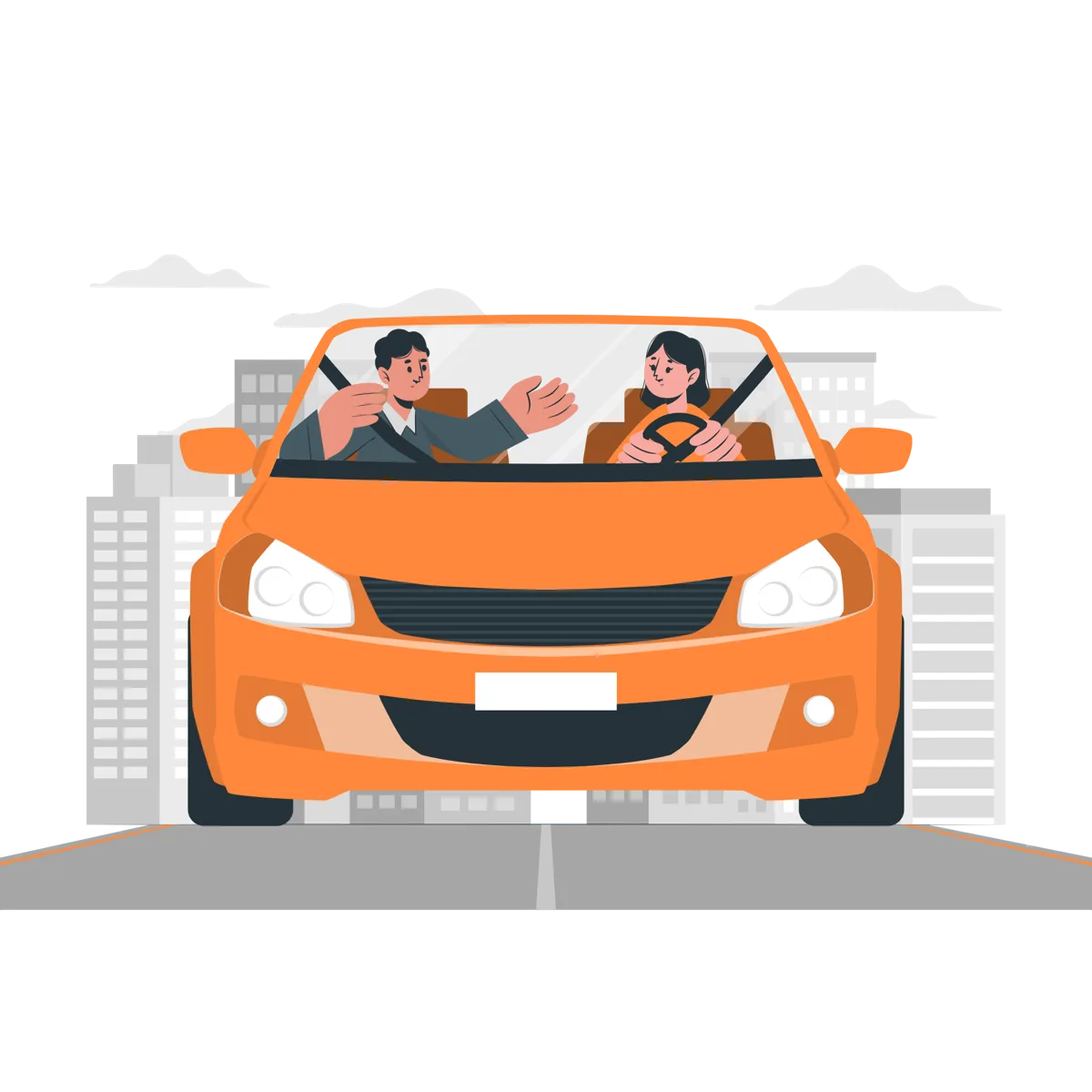
Reducing unnecessary circling
Spending 10–15 minutes looking for a parking space increases fuel consumption and carbon emissions. For example, if you circle for an average of 10 minutes a day, that adds up to more than 40 hours of unnecessary driving a year and around 50–100 kg of CO₂. Cutting that search time with smarter solutions benefits both the environment and the safety of our streets.
Digital solutions for greener driving
Apps and platforms for shared parking and eco-navigation show available spaces in real time and guide drivers to the nearest low-occupancy car park or to charging points for electric vehicles. Digital tools like these cut unnecessary circling, improve safety and encourage the use of electric and sustainable transport.
Combining transport solutions
The growing network of eco-parking sites with charging points encourages sustainable transport, and combining them with city bikes, electric scooters or public transport lines makes safe, environmentally friendly travel possible. The “park and walk” idea encourages people to leave the car in a safe spot a little further out and continue on foot – reducing pollution and congestion while promoting an active lifestyle.
Eco-parking policies in cities
Many European cities encourage drivers to leave their cars outside the centre and use public transport or sustainable alternatives:
-
Munich, Germany – large “Park & Ride” sites with fast access to the centre by bus and metro.
-
Vienna, Austria – low-cost or free car parks outside the centre, combined with frequent public transport.
-
Copenhagen, Denmark – car parks integrated with cycling and walking routes for safe, sustainable mobility.

Ideas for Bulgaria:
- Introducing school buses, which leads to less congestion, especially at peak times in the morning and after school. It also lowers the risk of incidents around schools, because fewer cars are stopping, parking and manoeuvring.
- Digital apps that direct drivers to available car parks, charging points or low-traffic routes.
- Feeder services using small electric vehicles suited to narrow neighbourhood streets, connecting residents to other public transport such as the metro and tram.
Small habits with a big effect
Every driver can contribute to eco-traffic and safety:
- Avoid idling the engine – even a few unnecessary minutes of idling increase emissions and fuel consumption.
- Use navigation with an optimal route – avoid congestion and unnecessary circling.
- Keep your tyres properly inflated – the right pressure reduces fuel consumption and the risk of incidents.
- Plan your journeys – combine several errands into one trip to reduce the total time your car spends on the road.
- Share journeys (carpooling) – you cut the number of cars on the road and reduce emissions.
- Use sustainable transport for short distances – bicycles, electric scooters or walking.
- Keep your car in good mechanical condition – regular maintenance of the engine, brakes and filters reduces emissions and improves safety.
- Switch off the air conditioning when you do not really need it – it lowers fuel consumption and reduces emissions.
- Observe speed limits and keep your distance – safe driving reduces the risk of incidents and congestion.
- Use public transport whenever possible – it reduces the number of cars on the road and eases traffic.
- Choose “eco-hours” for travelling – travelling outside peak hours reduces congestion and driver stress.
By combining digital solutions, sustainable transport practices and safe urban spaces, we can cut emissions, ease traffic and make cities safer and greener for everyone.